
Operational knowledge continuity

The most valuable things your retiring experts know exist nowhere but in their heads. We change that.

WHY?

Most critical knowledge is documented. What often isn't: the experience your experts have stopped thinking of as knowledge.

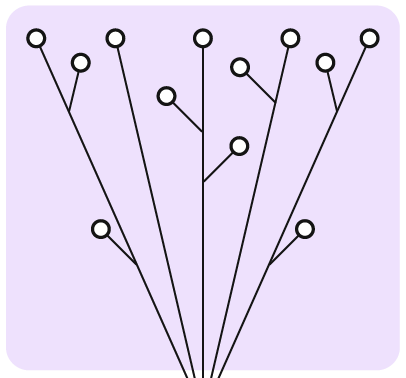
Problem solving

Why some problems are easy to solve and how to solve the critical ones fast. All tasks are described in documents, what often isn't is the experience your experts have collected over the years – the things that are not in the manual.

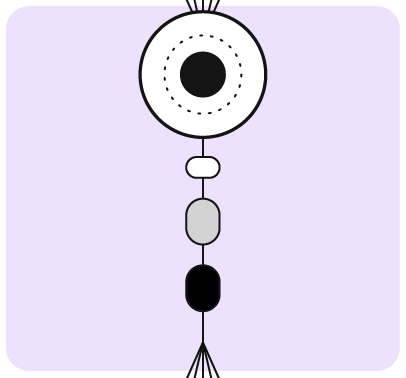
Silent routines

Your experts do these things automatically. That's exactly why it never gets written down. And when they retire, the knowledge retires with them.

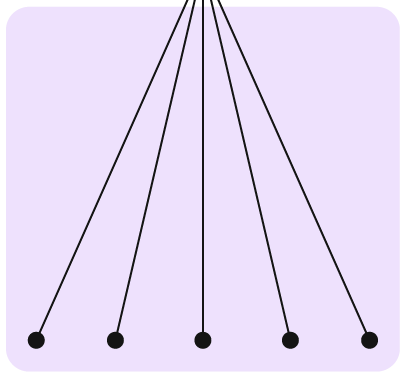
It doesn't have to stay that way.

Operational knowledge doesn’t have to retire with your experts. It can be structured, made accessible, and put to work — by the next hire, the team at the new site, the colleague who wasn’t there when it was built. Not as a document nobody can find. As something that reaches the people who need it, when they need it.

How it works

Every engagement starts with what's already there
and builds from that:

1. Capture operational expertise

We interview your retiring experts – and go through what already exists. Manuals, SOPs, informal knowledge.

2. Structure implicit knowledge

We turn raw input into knowledge that can be used, searched, and built on. By people, and by systems.

3. Make experience accessible

We connect it to where your team actually works. An existing system, a new knowledge base, onboarding etc.

Who is behind this?

Two specialists that have been on both sides of this problem:

The expert leaving
& the organization
left behind

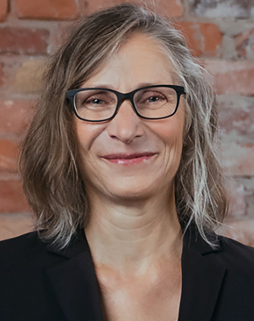
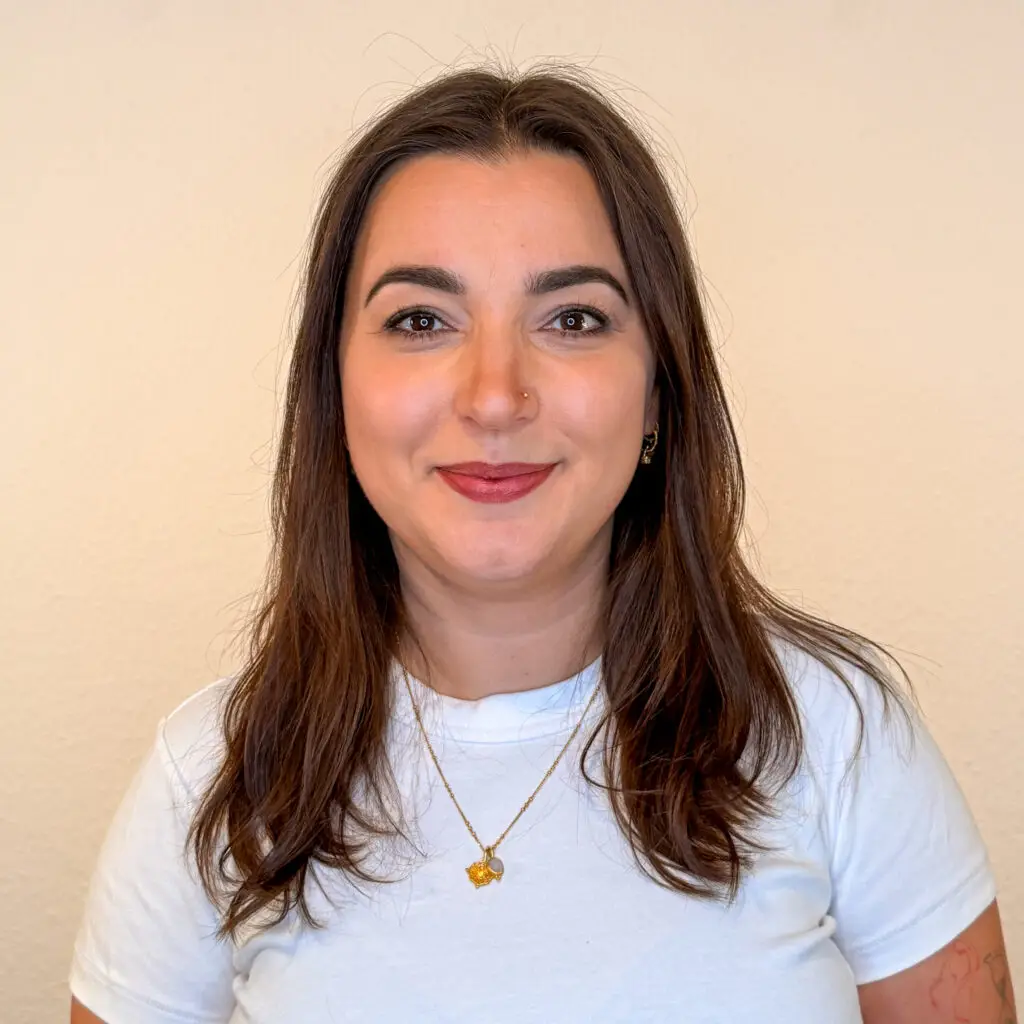
"Ines has spent decades inside semiconductor fabs and high-tech production environments – as an engineer, consultant, and coach. She knows how organizations think, how knowledge lives inside the people running them, and how to have the conversations that bring it to the surface."
Ines Thurner
Industry expertise & knowledge interviews
"Katrin works at the intersection of knowledge, technology, and people in organizations – from learning systems to LLM integrations. She turns what Ines surfaces into structures that stay when your experts leave – so the knowledge doesn't just exist, but reaches the people who need it."
Katrin Gläser
Knowledge architecture & enablement

Contact

Ready to explore what’s possible?

Conversations start in different ways – with a clearly defined project, a concrete problem, or open questions about what needs to change. All of these are welcome.